Payment systems, architecture and engineering leadership, explained plainly.
I am Prakash Nayak, a software architect and engineering leader with 25+ years in software. For nearly ten years I led architecture for payment platforms at Fiserv. Here I explain how these systems work, mentor engineers, and help companies build them.
- 25+ yearsin software, from code to architecture to leadership
- 20–30 millionpayment transactions a day on platforms I led
- 99.9%+ availabilityon business-critical payment services
- 35 engineersled across India and the United States
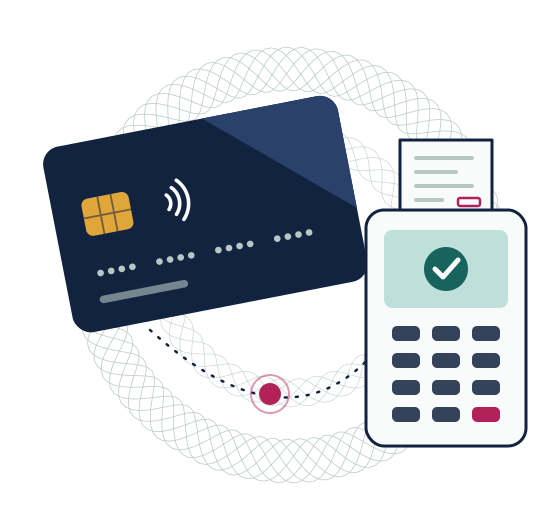
Follow a ₹500 card tap
Five parties, about two seconds. Step through it one hop at a time.
Step 1 of 6, about 0.0 seconds after the tap
You tap the card
The chip in your card and the shop's terminal talk for a fraction of a second. The chip produces a one-time code that is valid for this payment only, which is why a copied card number alone is not enough to repeat it.
| Card number | Read from the chip, or a stand-in token on a phone |
|---|---|
| One-time code | Made by the chip for this tap only |
| Amount | ₹500.00 |
Timings are illustrative. Read the full explanation
Latest articles
See all articles-
Architecture
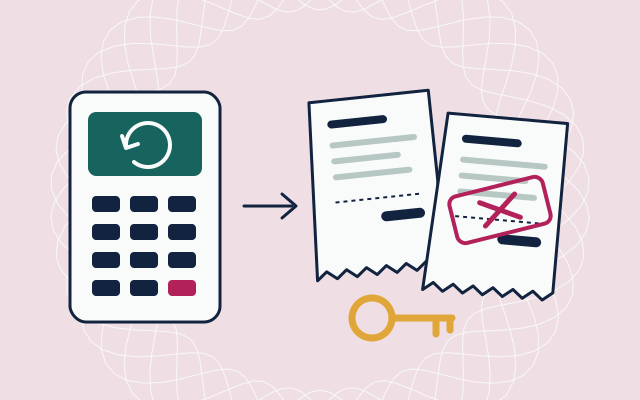
Idempotency and retries: why payments get charged twice
How a lost reply turns a safe retry into a double charge, and how idempotency keys prevent it.
-
Architecture
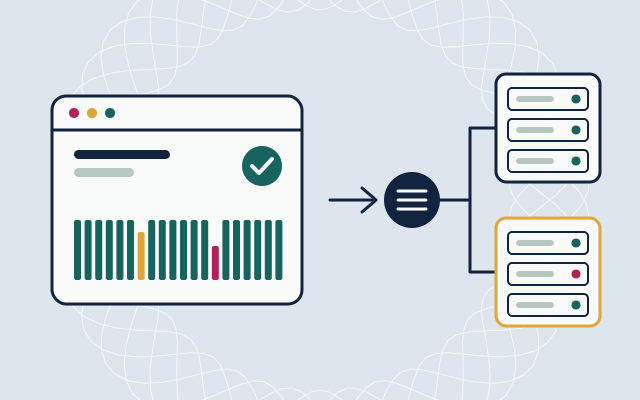
What 99.9% availability actually takes in a payment system
The downtime budget, why dependencies multiply against you, and the habits that keep payments up.
-
Payments
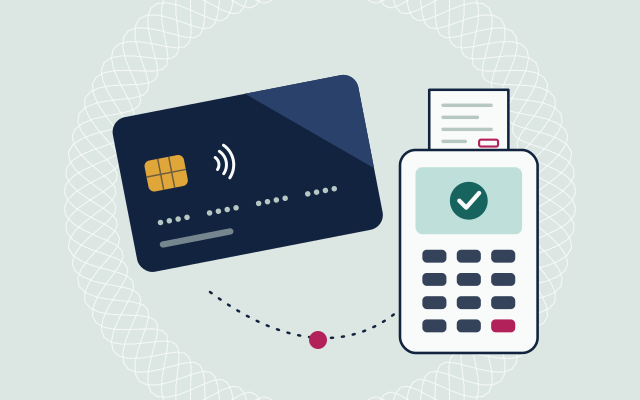
How a card payment works, from tap to settlement
The five parties, the message they pass around, who earns what, and why payments fail.
Work with me
How consulting works-
Architecture review
One to two weeks
An independent look at your system's failure points, scaling limits and release risks, with a written plan ranked by risk.
-
Payment system design
New builds and re-platforming
Idempotency, retries, reconciliation, settlement and the integrations with banks, networks and gateways.
-
CI/CD and DevOps
Hands-on
Pipelines, release automation and rollback that make releases routine. Jenkins, Azure DevOps, TeamCity, Octopus Deploy.
Preparing for a lead, manager or architect role?
Practise with someone who has led engineering teams and mentored the people in them. Sessions are one to one, on video call.
- Mock interviews for engineering manager roles
- System design practice for architect and senior roles
- Career calls for a move into leadership or payments
- Resume and LinkedIn reviews with written notes

About me
I started as a developer in 2000 and have worked on systems for MySpace, Ria Money Transfer, International Bank of Qatar and, for nearly ten years, Fiserv, where I was Manager, Software Architecture across Lending, Investment, Cards and Digital Payment Solutions.
Payments is a field where the basics are rarely written down plainly, and architecture and management are jobs most people are promoted into without being taught. I write about both, mentor engineers preparing for those roles, and take on consulting work for companies building systems that move money.